
- Industry News
- 148
- Gearpioneer-Powering Smart Work EveryWhere
- 05/07/2026
Commercial Cleaning Robots: Automation for Warehouses, Hospitals, and Hotels
Learn how the Geakita WDC-C2 commercial cleaning robot automates floor cleaning in warehouses, hospitals, hotels, malls, and schools. Includes specifications, use cases, and procurement tips.
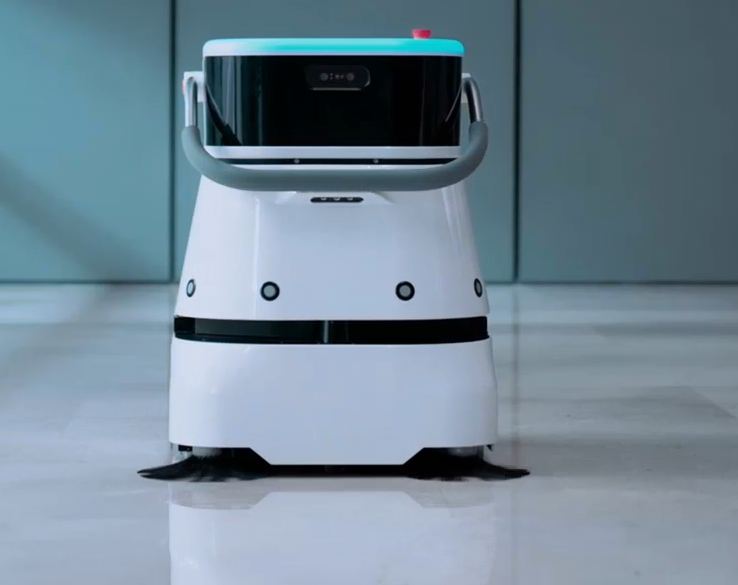
Commercial Cleaning Robots: Automation for Warehouses, Hospitals, and Hotels
Commercial cleaning robots are self-guided machines designed to automate floor cleaning in large, high-traffic facilities. This guide introduces the Geakita WDC-C2 Intelligent Commercial Cleaning Robot and explains how it can be applied across warehouses, hospitals, hotels, malls, schools, and other commercial environments.
The Challenge of Manual Cleaning in Large Facilities
Cleaning expansive floors in warehouses, hospitals, and hotels is labor-intensive, time-consuming, and often inconsistent. Staff turnover, fatigue, and the need for 24/7 operations drive demand for automated solutions. A commercial cleaning robot addresses these pain points by providing consistent, programmable cleaning with minimal human intervention.
What Is a Commercial Cleaning Robot?
A commercial cleaning robot is a mobile machine equipped with sensors, navigation systems, and cleaning implements (scrubbing, sweeping, vacuuming) for autonomous operation. Geakita (Xiamen Tiangong Kaiwu Technology Co., Ltd.), founded in 2009, manufactures the WDC-C2 Intelligent Commercial Cleaning Robot. The company also produces power tools and pool cleaning robots, and operates a 40,000 m² factory with over 300 employees. Its R&D team includes 25 engineers, supporting continuous improvement in cleaning robotics.
Geakita WDC-C2: Technical Specifications
The WDC-C2 is a compact autonomous scrubber-dryer designed for indoor commercial use. Key parameters include:
- Dimensions: 503 × 503 × 629 mm
- Weight: 40 kg
- Water tank capacity: 10 L clean water + 10 L wastewater
- Battery: 1 kWh swappable battery; 3-hour charge; 5–12 hours runtime
- Cleaning width: 440 mm
- Speed: adjustable 0.2–0.8 m/s
- Navigation accuracy: ±1 cm
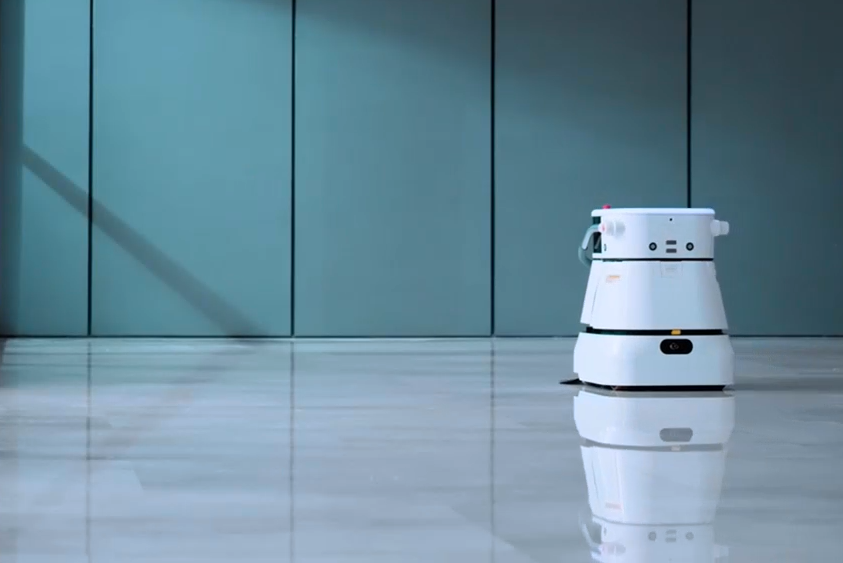
The robot uses advanced SLAM navigation to map its environment and follows programmed routes. Its swappable battery enables continuous operation across shifts by simply exchanging battery packs.
Step-by-Step Deployment Approach
- Facility Assessment: Measure floor area, identify obstacles, and map high-traffic zones. Suitable for hospitals, malls, campuses, exhibition halls, offices, airports, hotels, and restaurants (as listed by Geakita).
- Route Programming: Use the robot’s control interface to define cleaning schedules, speed, and coverage.
- Integration: Assign staff to swap batteries and empty wastewater tanks. The robot can run autonomously for 5–12 hours.
- Maintenance: Regular brush and squeegee replacement; battery care per manufacturer guidelines.
Use Cases by Facility Type
| Facility | Cleaning Need | Robot Benefit |
|---|---|---|
| Warehouse / Factory floor | Large open areas, dust, debris | 440 mm cleaning width covers aisles efficiently; consistent daily scrubbing |
| Hospital & clinic | Hygiene, infection control, quiet operation | Programmable after-hours cleaning; low noise; reduces staff exposure |
| Hotel lobby & corridors | High foot traffic, appearance | Autonomous cleaning during off-peak; maintains polished look |
| Shopping mall | Large, multi-zone surfaces | Multiple route zones; long battery life (up to 12 hours) covers extended hours |
| School / university | Regular passes in hallways and common areas | Night cleaning when students are absent; reduces janitor workload |
Specification Snapshot
| Parameter | WDC-C2 Value |
|---|---|
| Dimensions | 503 × 503 × 629 mm |
| Weight | 40 kg |
| Water tank (clean / wastewater) | 10 L / 10 L |
| Battery capacity | 1 kWh (swappable) |
| Charging time | 3 hours |
| Runtime | 5–12 hours |
| Cleaning width | 440 mm |
| Speed range | 0.2–0.8 m/s |
| Navigation accuracy | ±1 cm |
FAQ
A: Geakita has over 15 years of manufacturing experience and operates a 40,000 m² factory. While specific certifications for the WDC-C2 are not publicly listed, the company follows industry quality standards. Buyers should request certification documentation directly from the supplier during due diligence.
A: The WDC-C2 has a cleaning width of 440 mm and adjustable speed from 0.2 to 0.8 m/s. It uses a scrubber-dryer method (10 L clean water + 10 L wastewater tank). It is designed for hard floors in hospitals, malls, offices, hotels, airports, and schools.
A: Pricing depends on order volume, customization, and shipping destination. Geakita invites buyers to request a quotation with their specific requirements. Their sales team provides tailored pricing for OEM/ODM or branded units.
A: Yes, Geakita can arrange sample units for evaluation. Contact their sales team (Flora: Flora@gearpioneer.com) to discuss sample availability, lead time, and terms.
A: Lead time depends on order quantity and current production schedule. Geakita has an annual output capacity of 100,000 units across its product lines. For a tailored lead time, request a quote. Inquire via WhatsApp or email Flora@gearpioneer.com.
Ready to automate your facility?
Request a sample, get a quote, or download the Geakita corporate catalog.
Download Catalog (PDF)This blog is for informational purposes. Only facts from verified Geakita sources are used. Contact Geakita directly for current specifications and pricing.