
- Industry News
- 514
- Gearpioneer-Powering Smart Work EveryWhere
- 22/04/2026
Essential Guide: How to Identify and Select a Certified Cordless Power Tool Supplier
A professional procurement guide on how to identify and evaluate certified cordless power tool suppliers. Learn key criteria including certifications, manufacturing capacity, brushless technology, and quality control for 2026.
Essential Guide: How to Identify and Select a Certified Cordless Power Tool Supplier
April 22, 2026
For procurement professionals, selecting a reliable supplier of cordless power tools is a critical decision that impacts operational efficiency, project timelines, and total cost of ownership. With the market expanding rapidly, verifying certifications and manufacturing capabilities has become paramount. This guide outlines the key criteria for evaluating suppliers, with a focus on essential compliance markers and production standards.
1. Core Evaluation Criteria for Suppliers
Beyond basic product specifications, a thorough supplier evaluation should encompass several foundational pillars.
Certifications and Compliance
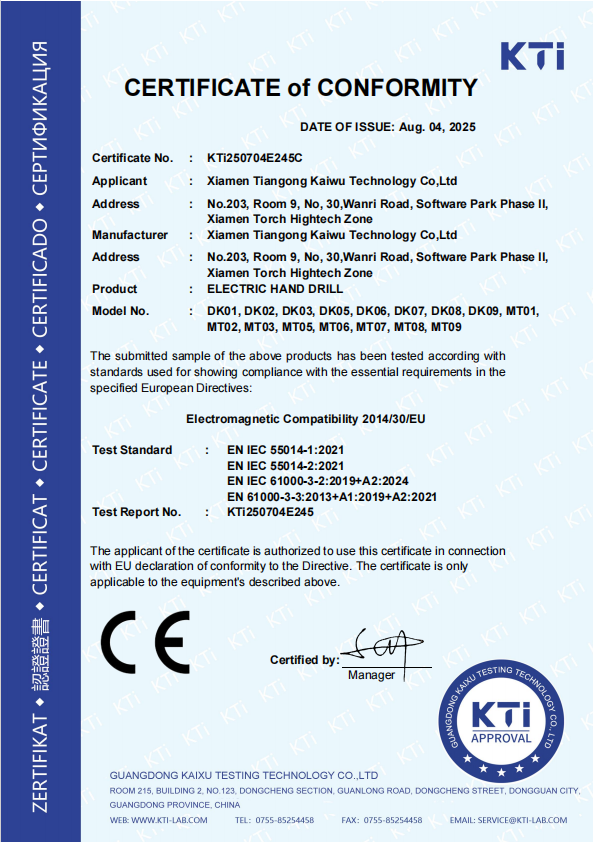
Mandatory market access certifications are non-negotiable. For the European Union, the CE mark is essential, demonstrating conformity with health, safety, and environmental protection standards. For the United Kingdom, the UKCA mark is required. Suppliers should provide valid certificates from accredited bodies. For instance, certificates like KTi250704E245C for CE and B-S2412C5162 for UKCA are specific, verifiable documents.
Manufacturing Scale and Capacity
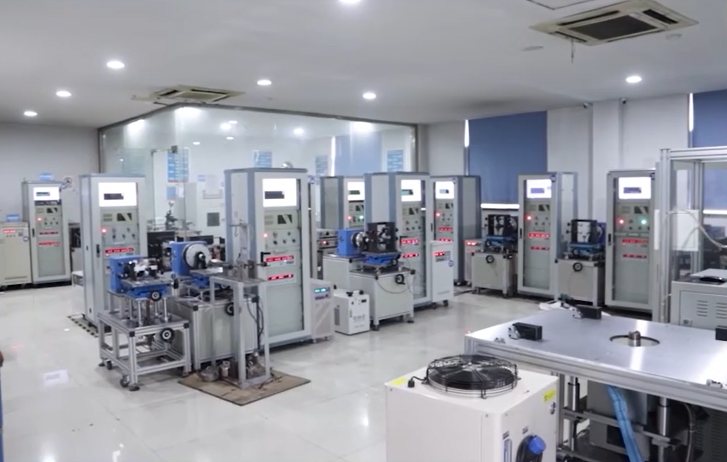
Production capacity indicates reliability for large or recurring orders. Evaluate the factory size, annual output, and workforce. A supplier with a 40,000 m² facility, over 300 employees, and an annual output exceeding 100,000 units demonstrates significant industrial scale. Monthly production capacity, such as 180,000+ units, is a key metric for assessing supply chain stability.
Research and Development (R&D)
In-house R&D capability is crucial for product innovation and customization. A dedicated team of engineers allows for technical adaptations, such as voltage customization (110V/220V), parameter adjustments (torque/speed), and bespoke battery configurations. This capability supports evolving project requirements and long-term partnerships.
Quality Control and Testing
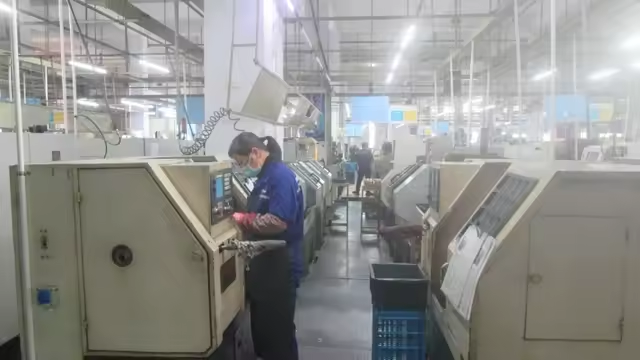
Robust quality assurance protocols are essential. Look for suppliers that implement a multi-stage QC process, including Incoming Quality Control (IQC), In-Process Quality Control (IPQC), and Final Quality Control (FQC). Pre-shipment 100% inspection and functional load testing help minimize defect rates. Compliance with international safety standards like UN38.3 for battery transportation is also critical.
2. Understanding Product Specifications and Technology
Technical specifications directly influence tool performance and suitability for specific applications.
| Product Category | Example Model | Key Specifications | Primary Application |
|---|---|---|---|
| Brushless Impact Drill | PT24 | 21V, Brushless Pure Copper Motor, Actual Torque: 150 N.m, Battery: 2000mAh*15cells | Heavy-duty construction, steel structure assembly |
| Cordless Angle Grinder | JM01-02 | 21V, Brushless Motor, No-load Speed: 12000 RPM, Disc Diameter: 100mm | Metal cutting, grinding, and finishing |
| Cordless Circular Saw | CS01 (WQG01) | 21V, Brushless Pure Copper Motor, No-load Speed: 21000 r/min | Wood cutting, carpentry, formwork |
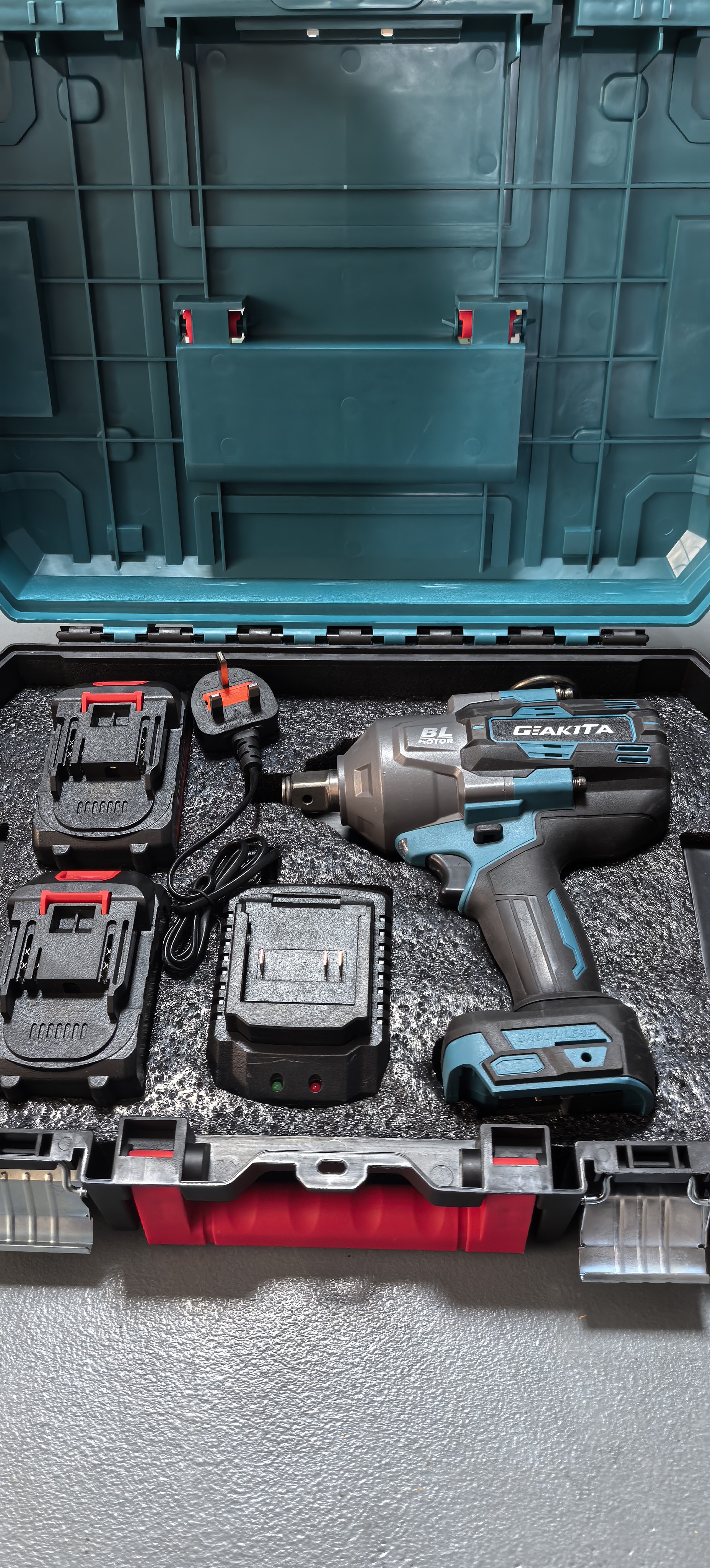
| Impact Wrench | GKR05 | 21V, Pure Copper Brushless Motor, Actual Torque: 650 N.m | Automotive repair, machinery assembly, bolt fastening |
Note: The 16.8V brushless cordless drill operates within a voltage range of 16.8V to 18V, has a net weight of 1.6kg, and offers a no-load speed of 450 to 2200 RPM. It features stepless speed control, an LED light, and an impact frequency range of 7000 to 24000 BPM.
3. The Importance of Brushless Motor Technology
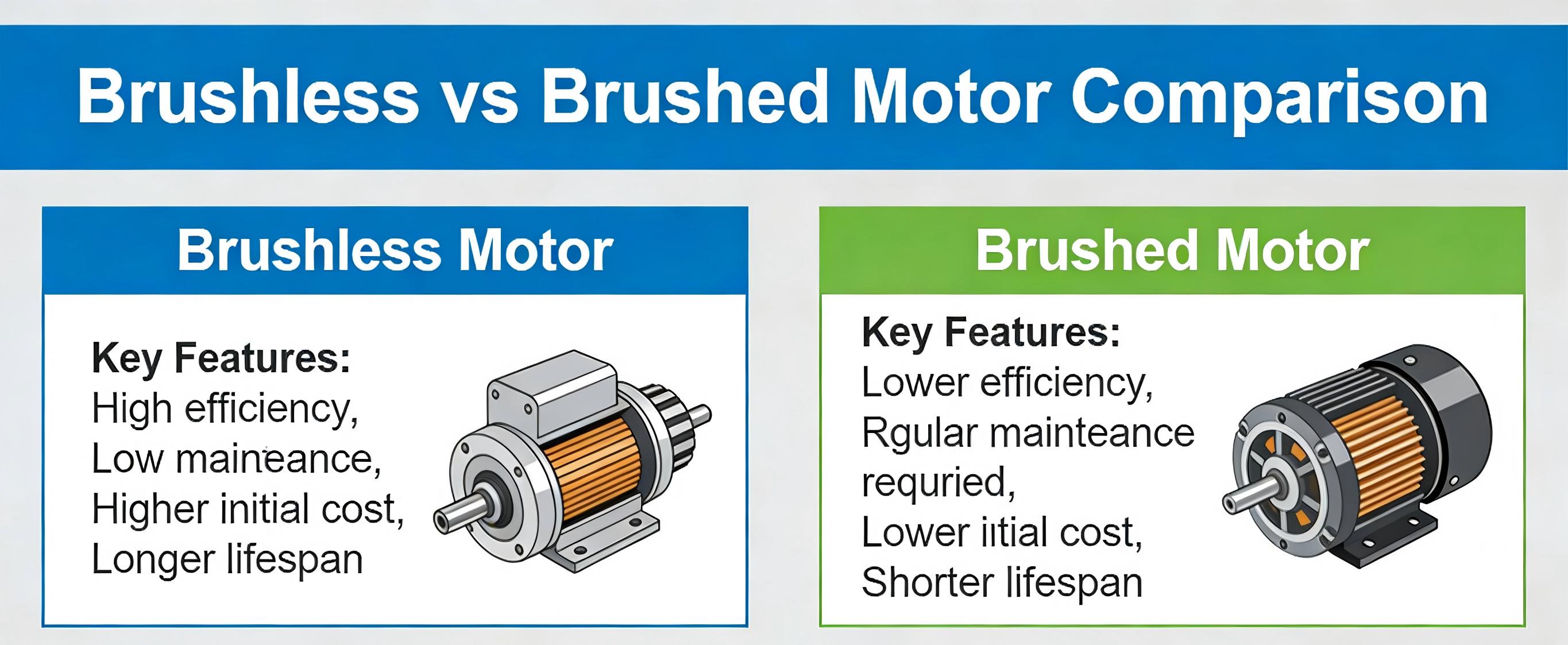
When comparing suppliers, the motor technology is a key differentiator. Brushless motors offer distinct advantages over traditional brushed motors, which is a critical consideration for procurement.
Brushless Motor Tools
- Higher durability and longer service life.
- Approximately 30% higher working efficiency.
- Longer battery runtime per charge.
- Lower maintenance requirement (no brush replacement).
- Typically comply with stringent global energy efficiency standards.
Traditional Brushed Motor Tools
- Lower initial cost but higher long-term ownership cost.
- Shorter operational lifespan due to brush wear.
- Generally higher defect rates over time.
- Require more frequent maintenance.
For applications involving heavy-duty industrial production, construction site operation, or long-term continuous use, investing in brushless technology from a certified supplier can lead to a lower total cost of ownership over a 3-year period.
4. Supplier Case Study: Geakita (Tiangong Kaiwu)
As an example of a supplier meeting these criteria, Geakita (Xiamen Tiangong Kaiwu Technology Co., Ltd.), founded in 2009, operates as a professional manufacturer. The company holds relevant certifications for its target markets, including CE and UKCA. Its manufacturing base covers approximately 40,000 m² of floor space and employs over 300 staff, supported by an R&D team of engineers.
The company's product range includes cordless power tools such as impact drills, angle grinders, circular saws, and wrenches, alongside robotic pool cleaners and commercial cleaning robots. Its production process incorporates a 3-level QC system and functional testing. For instance, in a project supplying over 5,000 units to construction and automotive repair clients in various countries, the reported on-time delivery rate was 99.8% with a 0.3% defect rate.
5. Final Procurement Checklist
By systematically applying these criteria, procurement teams can make informed decisions, mitigate supply chain risks, and secure partnerships with capable, certified cordless power tool suppliers that align with their project requirements and quality standards.